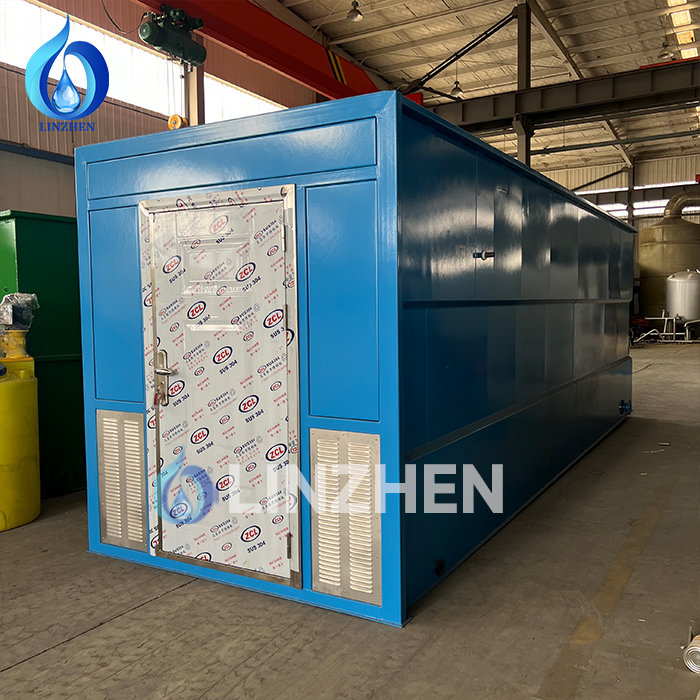
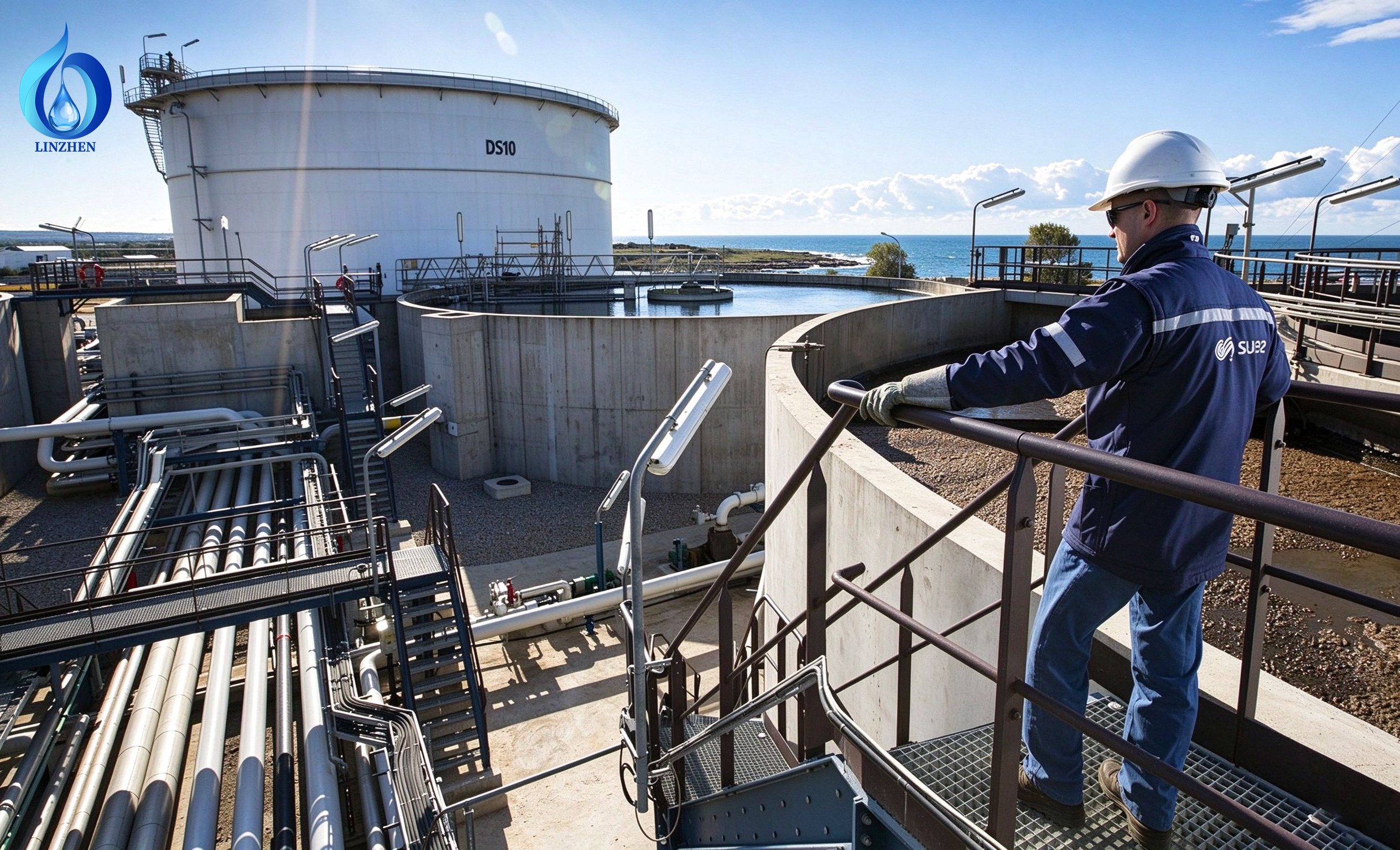
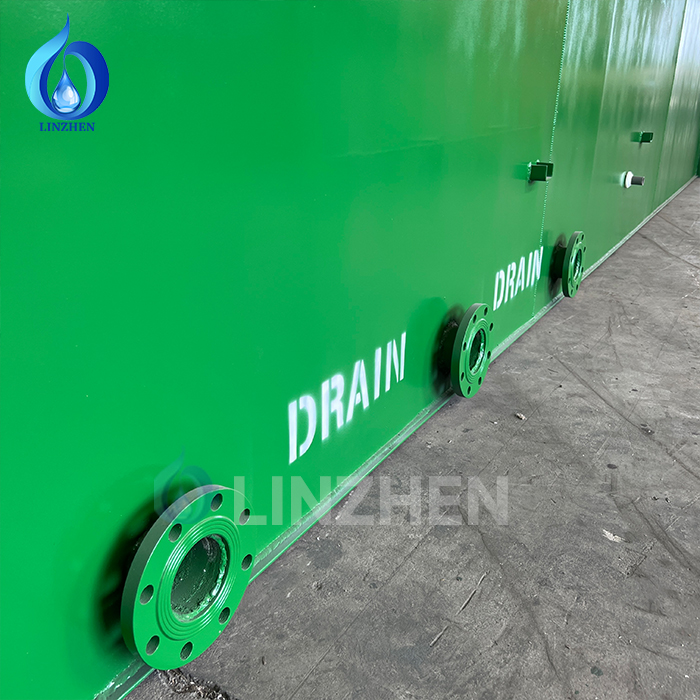
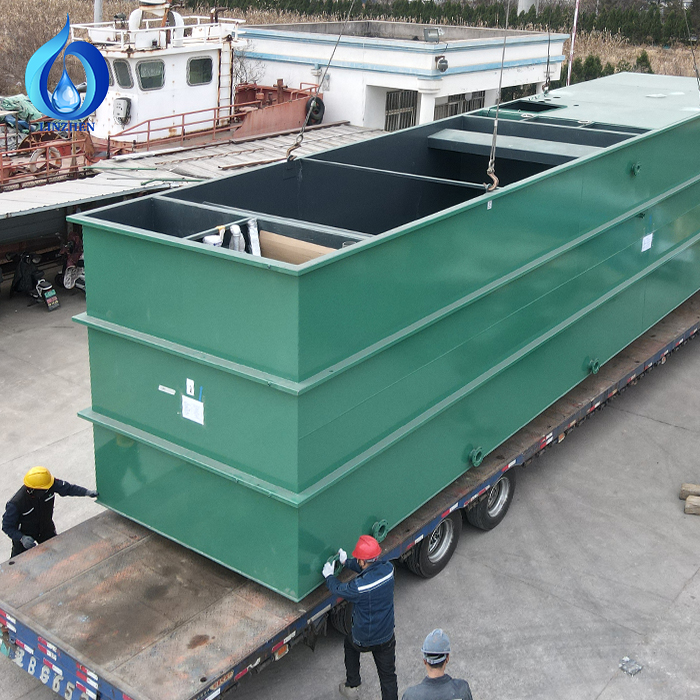
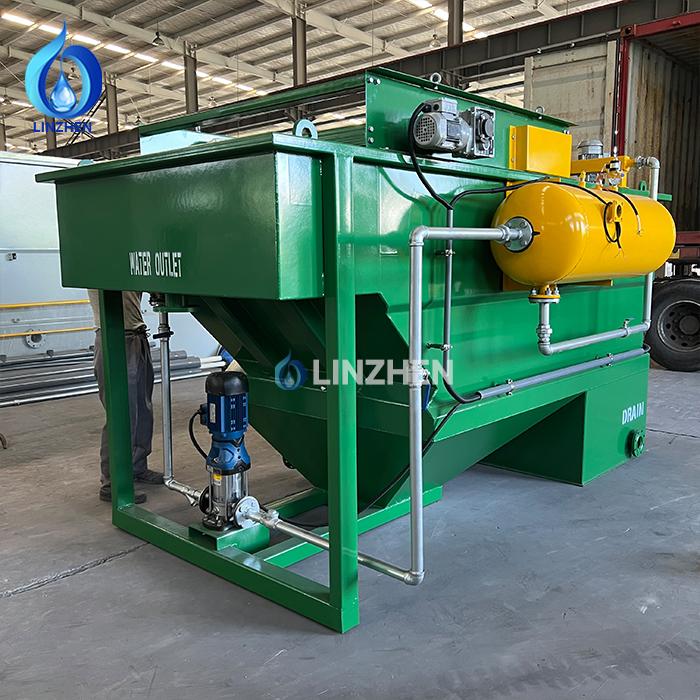
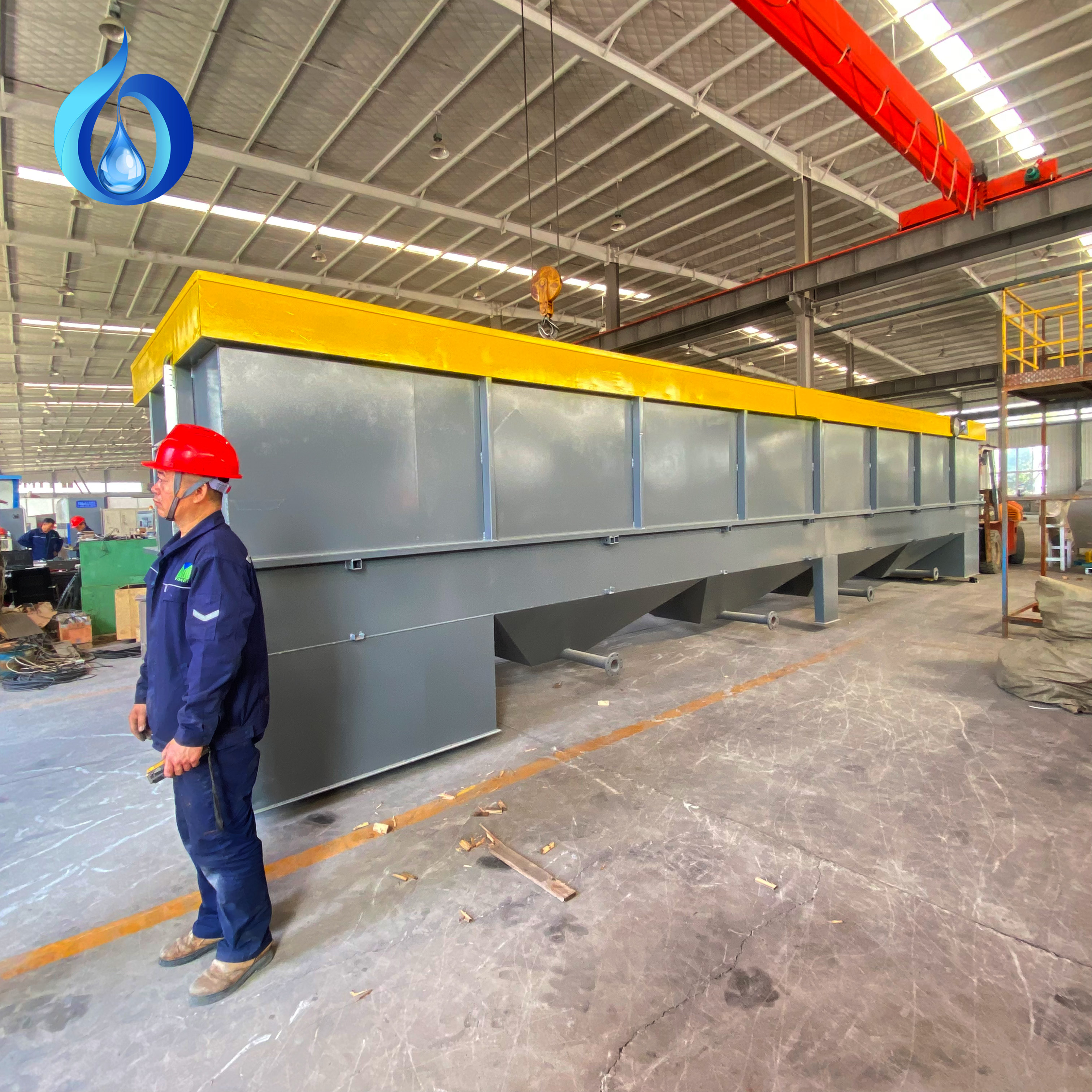
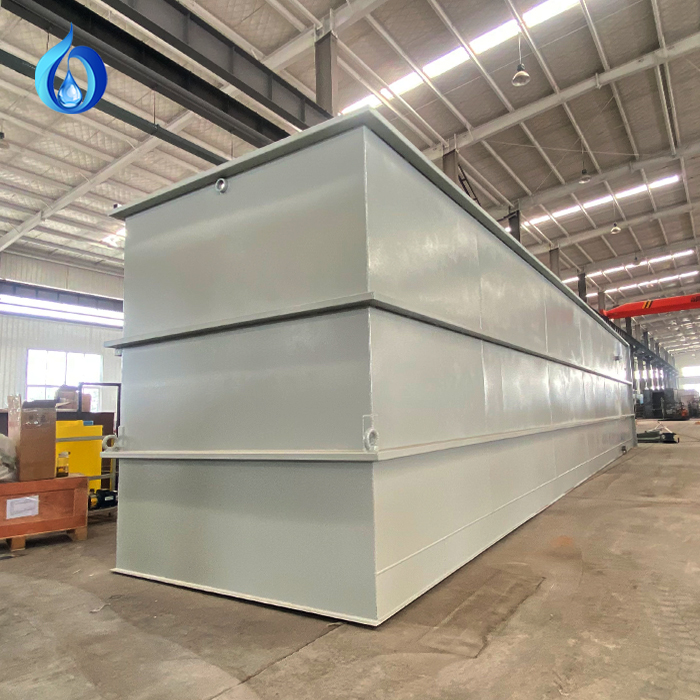
Operationes tractationis industrialis et fabricae manufactoriae saepe magnas difficultates inveniunt in stabilitate biologica aquarum sordidarum retinenda propter impetus hydraulicos imprevistos et concentraiones organicas fluctuantes. Unum systema mbbr (reactor biologicus levis mobilis) solutionem biologicam praestantissimam praebet, quae ad exactam operationem sub oscillationibus oneris gravissimis est constructa. Contra processus fangosos activatos tradicionales, qui ex lavatione microbiali patiuntur dum operatio plantae est incerta, unum systema mbbr utitur superficie portatoris protecta ut populationes microbiales robustas conservet. Perdiscere quomodo unum systema mbbr adaptatur ad characteristicas influentis dynamicas est necessarium ingeniariis fabricae, qui compliance effluentis praedictam quaerunt.
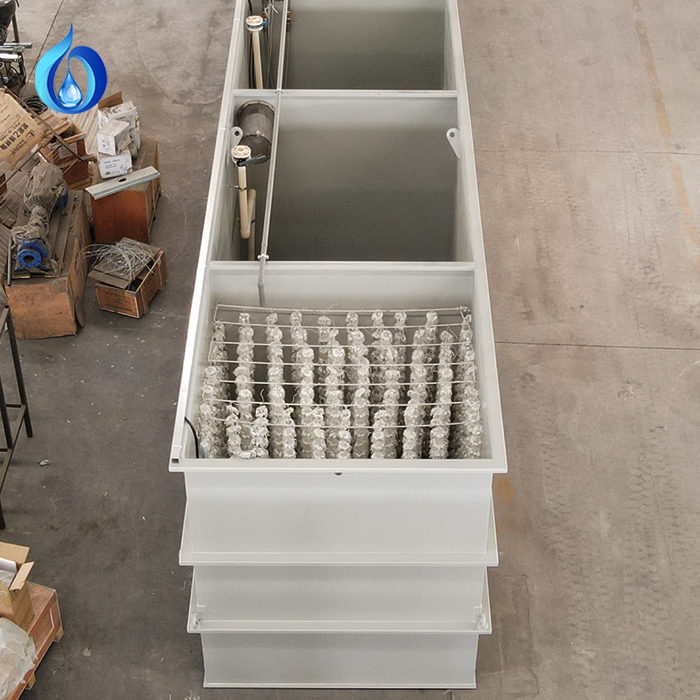
Motor principalis performance unius systema mbbr reliquit in fixo-film biologico crescenti super milibus plasticorum portantium ingenio factorum, quae in vasculo reactoris continuo in suspensu retinentur. Haec robusta structura permittit systema mbbr absorbere ingentes acutos incrementa postulati biochimici oxydationis (BOD) sine detrimento efficaciae tractationis. Sive ex programmatibus productionis per partus, sive ex mutationibus productorum per tempora anni, sive ex subitis eventibus lavationis, systema mbbr qualitatem effluentis stabilizat sine interruptione. Sequens analysis examinat praecisos mechanismos physiologicos et operationales qui permittunt systema mbbr dominari variabiles onerates organicas in modernis fabricis industrialibus.
Mechanismi Biologici Systematis MBBR Sub Acutis Onestionibus
Dynamica Biofilm et Regulatio Densitatis Biomassae
In systemate praeclaro systema mbbr , media plastica specialia superficiem amplam praebent ad adhaesionem microbiorum destinatam, faventem stratum biofilm densissimum. Cum concentraiones organicae intrantes augentur, biomassa activa intra systema mbbr increases metabolic substrate consumption to match incoming load levels. The established bio-layer within an systema mbbr reacts swiftly because specialized bacterial colonies remain permanently fixed on protected internal carrier surfaces. Simultaneously, floating suspended solids in an systema mbbr augment overall COD destruction efficiency by removing easily biodegradable organics. This dual-phase response enables an systema mbbr to sustain discharge compliance across extreme loading swings without operator intervention.
Oxygen Diffusion Efficiency in an MBBR System
Aeration delivery is fundamental in an aerobic systema mbbr , where fluid movement and bubble turbulence continuously optimize gas transfer to active biomass. Continuous motion within an systema mbbr creates high liquid shear, stripping excess outer biomass and exposing vital inner microbial layers to fresh dissolved oxygen and nutrients. When high-strength waste enters an systema mbbr , rates of aeration blowers can be adjusted automatically without disturbing biological settling characteristics. The specialized micro-environment inside an systema mbbr carrier encourages stratified layers, housing aerobic bacteria near the outer perimeter and facultative strains deep inside. This complex structure allows an systema mbbr to sustain rapid contaminant removal even during sudden loading shocks.
Operational Performance Advantages of an MBBR System
Shock Load Resilience and Hydraulic Flexibility
Hydraulic retention time (HRT) design parameters demonstrate the engineering advantages of choosing an systema mbbr for volatile waste streams. Because an systema mbbr retains its functional biomass attached to physical carriers, it operates successfully at much shorter HRTs than suspended-growth reactors. Toxic shocks or sudden chemical surges that would decimate conventional sludge tanks cause minimal disruption to an systema mbbr . When an acute loading spike strikes an systema mbbr , the inner biofilm core acts as a biological shield, keeping treatment capacity intact while excess surface biomass expands to absorb the added organic load. This intrinsic resilience makes an systema mbbr the preferred choice for batch chemical plants, food processors, and textile mills.
Self-Regulating Biomass and Reduced Operator Labor
Managing solids inventory in an systema mbbr requires far less manual adjustment compared to conventional secondary treatment configurations. Traditional activated sludge requires constant sludge recycle ratio tuning, whereas an systema mbbr regulates its active biological mass naturally through carrier shear and biological sloughing. When influent organic loads drop, the biological growth within an systema mbbr naturally tapers down, maintaining equilibrium without operator intervention. Conversely, rising loading rates prompt the systema mbbr biofilm ut crescat celeriter et novam superficiem portantis utatur. Haec dynamica se ipsa aequilibrans minuit onera operationis, consummationem polymerorum minuit, et constituit systema mbbr ut res automata, parum curae indigens.
Lineamenta technica et configurationis pro systemate MBBR
Selectio portantis et rationes optime repletas
Consequi summam fiduciam ex systema mbbr quod variabilibus oneribus subicitur, valde pendet a selectione superficiei mediae et a designo fractionis repletae reactoris. Ingeniores saepius designant systema mbbr utentes fractionibus repletionis mediis inter 30% et 65% voluminis basinis netti, ad onera massarum maximas accommodantes. Selectio superiorum proportionum repletionis portantis in systema mbbr praebet maximam superficiem ut ingentia organica onera absorbeantur sine incremento spatii basinis. Tamen systema mbbr quod moderate repletum est, fruatur optimatis dynamicis mixtionis fluidorum et minori consumptione potentiae aeris in temporibus onerum normalium. Plurifase systema mbbr trains can also be implemented to isolate initial high-load removal from final polishing steps.
Control Automation and Monitoring for an MBBR System
To optimize the real-time performance of an systema mbbr under fluctuating influent profiles, facilities should deploy advanced instrumentation networks. Continuous dissolved oxygen sensors placed throughout an systema mbbr provide real-time feed signals to variable frequency blower drives, matching oxygen delivery directly to biological demand. Integrating automated nutrient dosing units into an systema mbbr maintains correct C:N:P ratios during high-load manufacturing shifts. Modern PLC-driven systema mbbr architecture allows plant operators to track organic removal trends remotely, ensuring compliance while minimizing overall energy consumption.
Quaestiones Frequentes
How does an MBBR system maintain performance during sudden high-flow events?
An systema mbbr resists hydraulic washout because the active biomass remains attached to structural plastic carriers retained inside the basin by outlet sieves. While high hydraulic flows flush biomass out of standard activated sludge basins, an systema mbbr retains its complete treatment biology, allowing continuous organic removal despite rapid flow changes.
Will low organic influent concentrations damage the biology in an MBBR system?
No, an systema mbbr handles low-load conditions exceptionally well through natural microbial acclimatization. When organic input decreases, the biofilm layer on an systema mbbr thins and enters a maintenance metabolic state without losing structural attachment. The systema mbbr remains fully prepped to process higher organic loads immediately when production resumes.
Why is an MBBR system preferred over conventional activated sludge for fluctuating loads?
An systema mbbr eliminat necessitatem pompationis fangorum activatorum reductorum (RAS) et administrationis complexae sedimentationis fangorum. Hoc systema praebet concentrationes biomassis multo altiores per unitatem voluminis, absorbet onus subitum sine inflatione fangorum, et operatur efficaciter in spatio physico multo minore quam optiones conventionales tractationis secundariae.
 EN
EN