 EN

Our Key Advantages
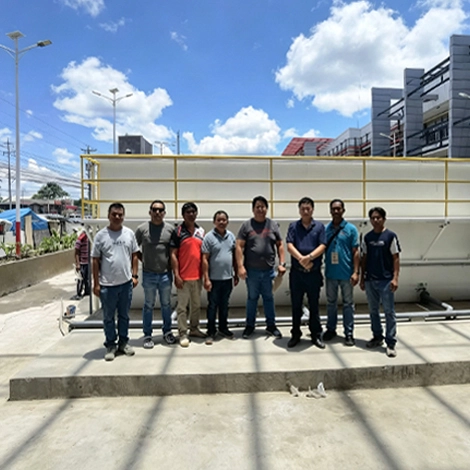
Successfully delivered wastewater treatment projects across multiple countries and industries. With an extensive project portfolio, we possess in‑depth knowledge of local environmental regulations and wastewater characteristics.
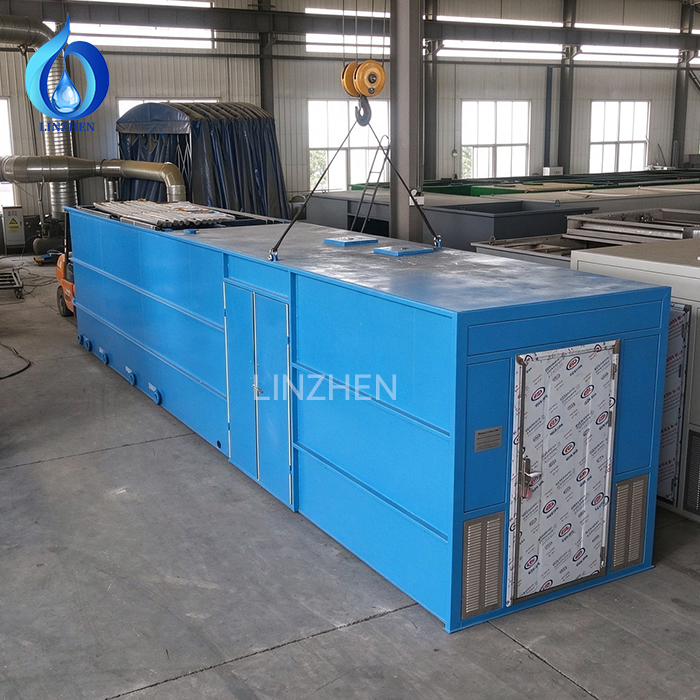
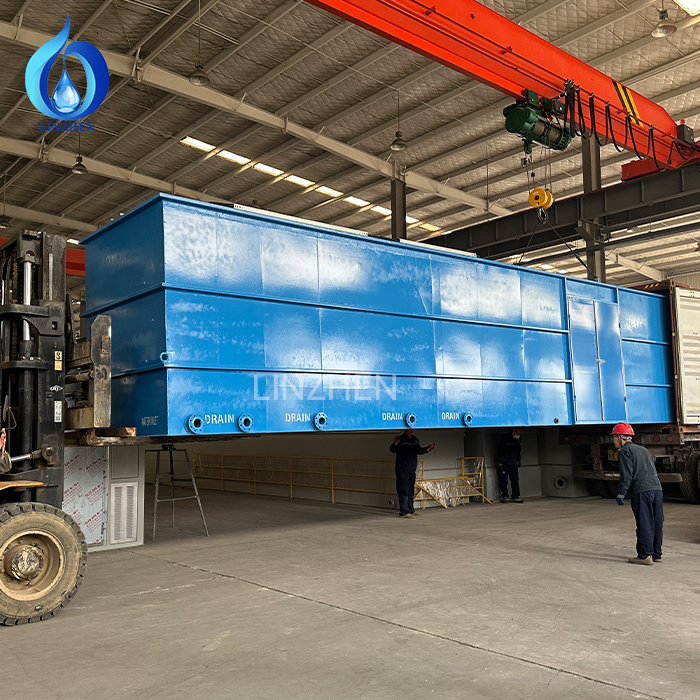
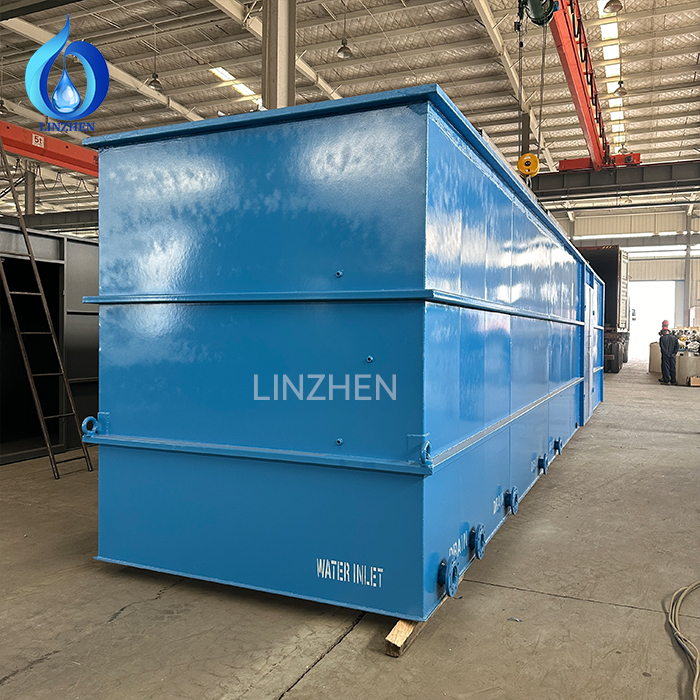
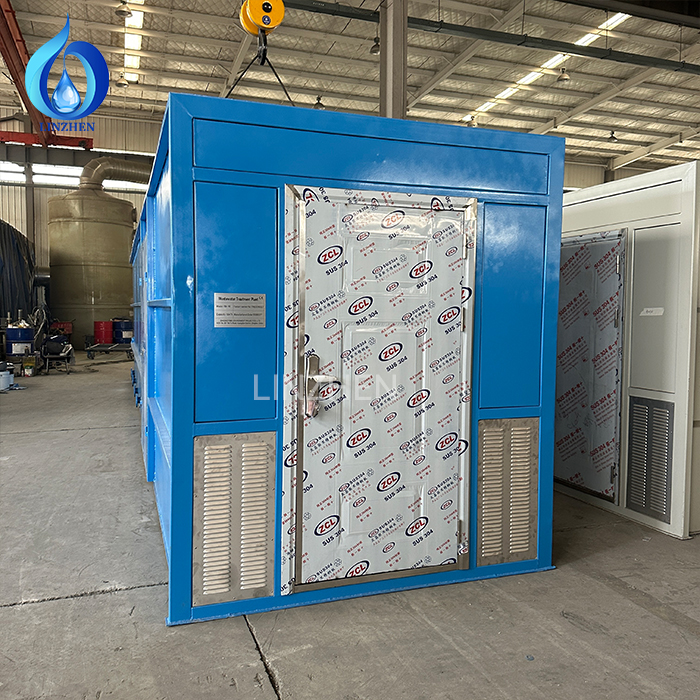
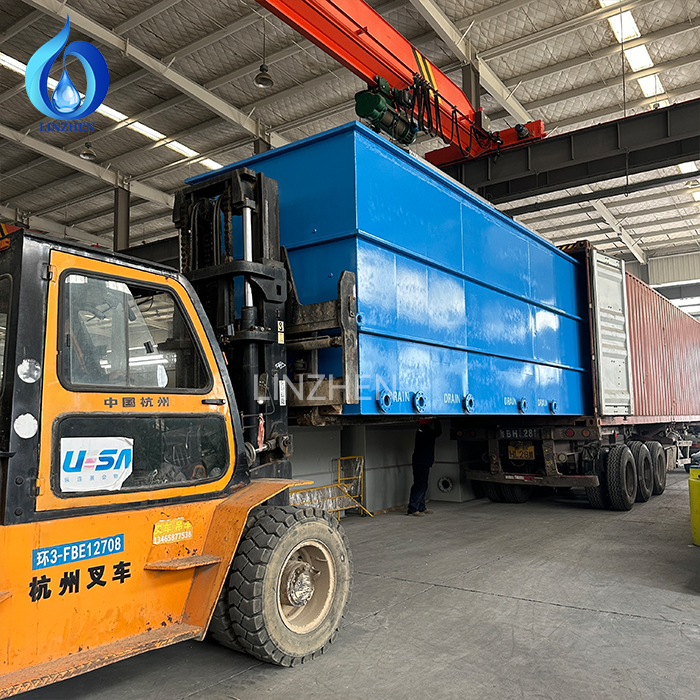
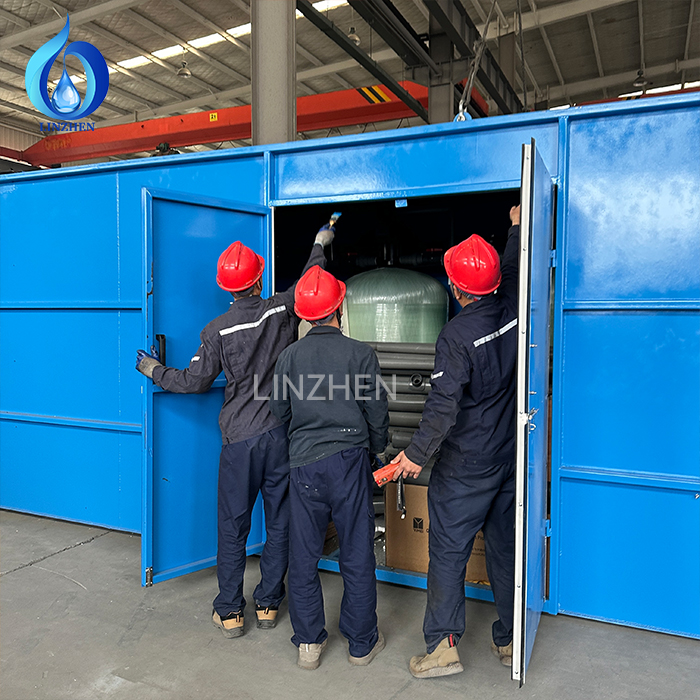
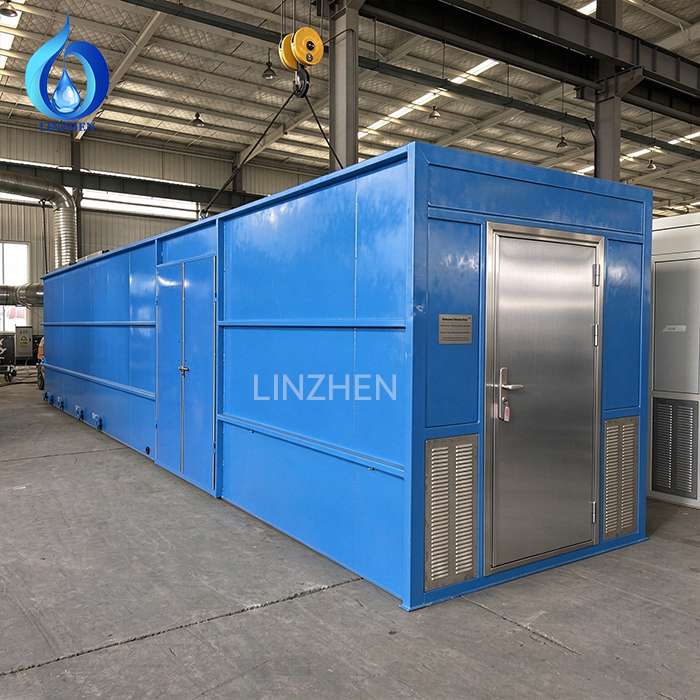
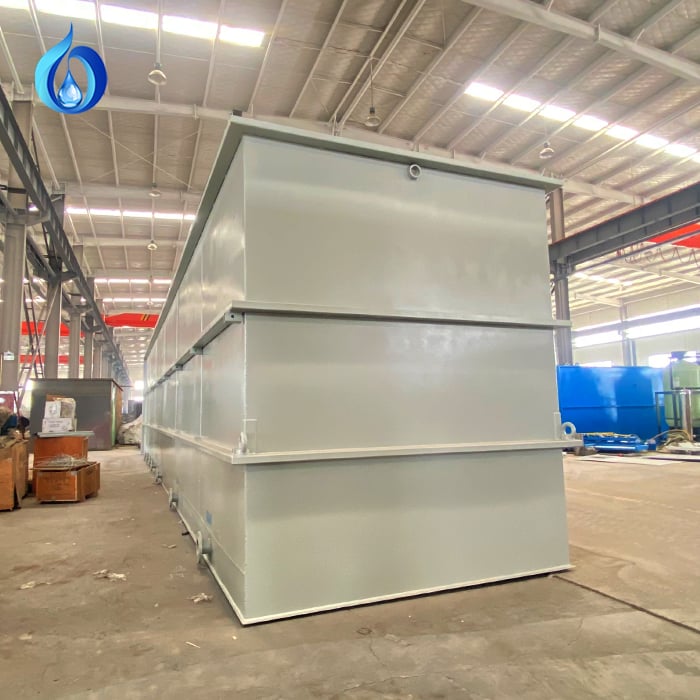
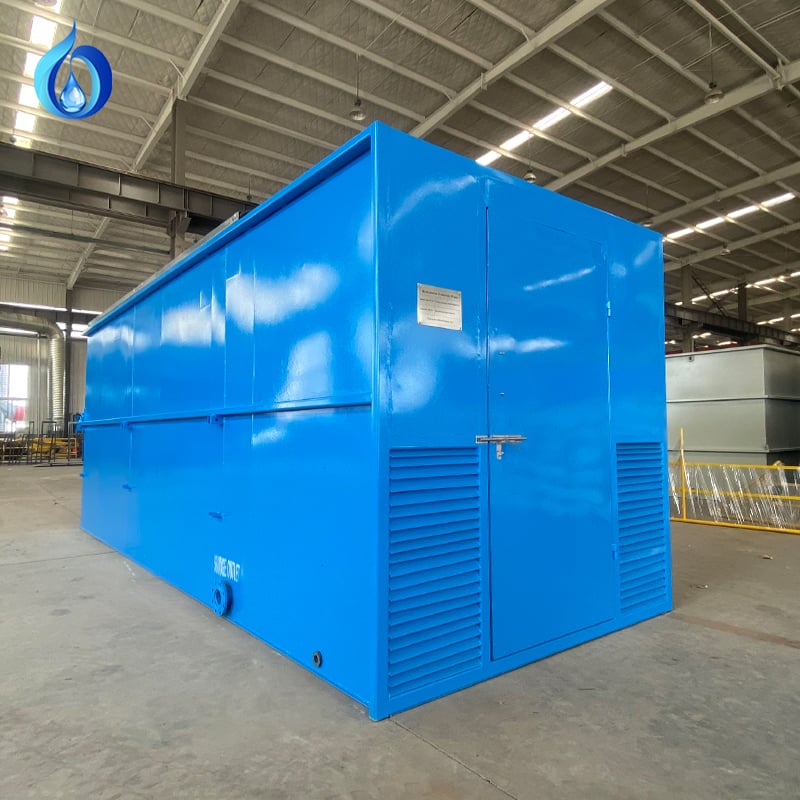
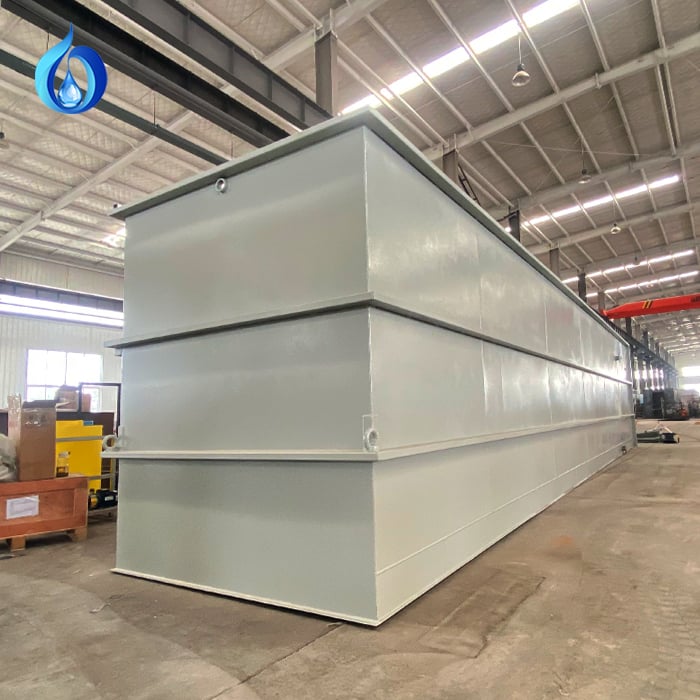
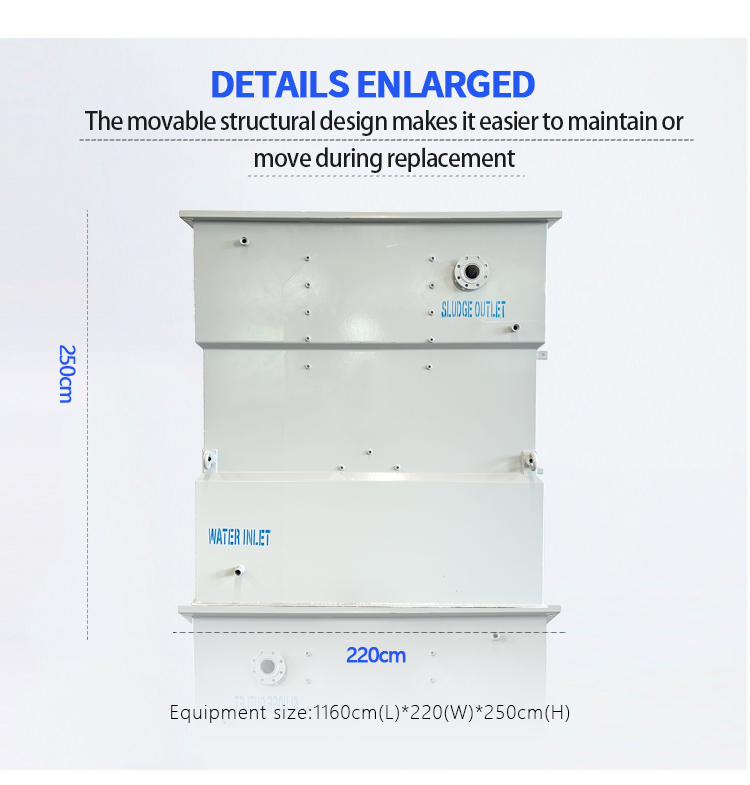
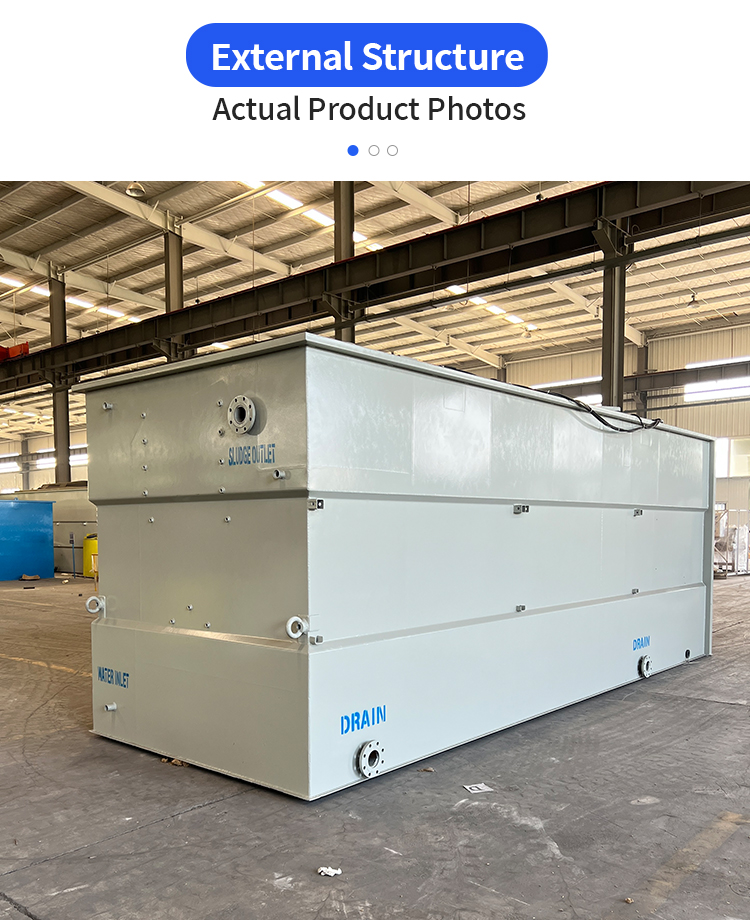
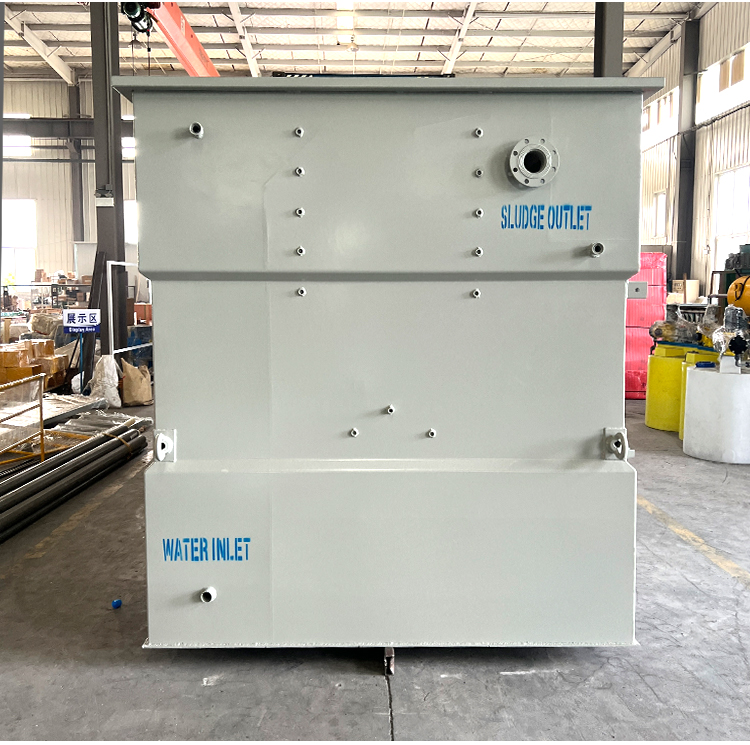
The Lamella Clarifier High-Rate Gravity Sedimentation System is a compact solid-liquid separation unit for industrial process water and municipal wastewater. It uses inclined plate channels to increase the available settling surface within a smaller tank footprint. After suitable coagulation and flocculation upstream, water rises through the channels while formed flocs and other settleable solids move downward along the plates into a collection hopper. Clarified water is collected at the upper outlet.
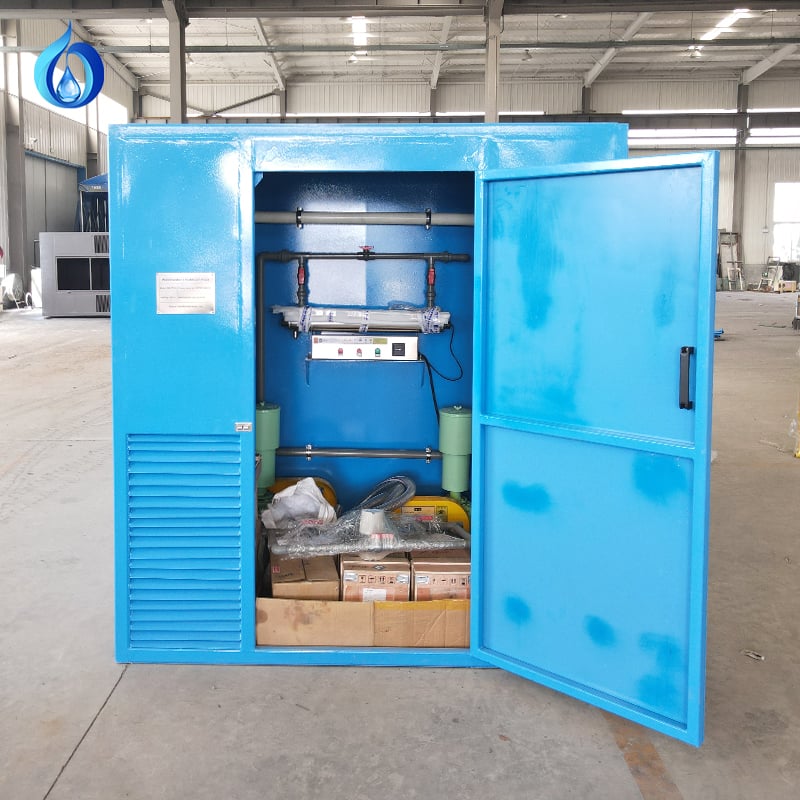
This Lamella Clarifier High-Rate Gravity Sedimentation System is intended for projects that need a gravity-settling stage without the land demand of a conventional large clarifier. It can be supplied as part of an integrated process including mixing and flocculation, or considered as a clarifier module within a wider treatment train. The final configuration should match the actual wastewater, flow pattern, solids loading, and required outlet quality.
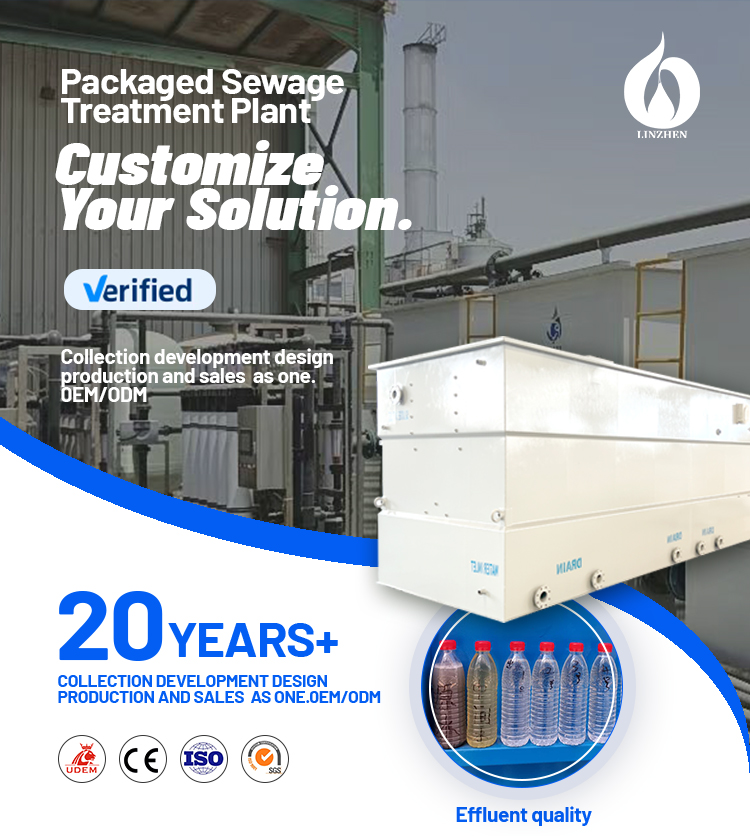
In the Lamella Clarifier High-Rate Gravity Sedimentation System, conditioned influent enters the settling zone after flash mixing and flocculation. The plate pack divides the flow into shallow passages. This shortens the distance that particles need to settle before reaching a plate surface. Heavier solids slide down the smooth inclined surfaces and collect in the lower hopper, while clarified water travels upward to the V-notch overflow launders.
Hydraulic distribution matters as much as the plate area. Uneven inlet flow can overload part of a plate pack and reduce separation consistency, particularly in parallel units or retrofit installations. A Lamella Clarifier High-Rate Gravity Sedimentation System should therefore be selected with the inlet arrangement, outlet collection, sludge withdrawal route, and available maintenance access considered together. If flow or solids characteristics vary during the day, sizing should reflect peak conditions rather than an average flow alone.
The the inclined-plate clarifier may use polypropylene (PP) or fiberglass-reinforced plastic (FRP) plate media. These materials provide a practical non-metallic option for many water-treatment environments. Plate material, tank construction, and accessory selection should be confirmed against the wastewater chemistry and operating temperature for each project.
The existing product configuration also includes hydraulic distribution features intended to limit turbulent paths and short-circuiting. Smooth plate surfaces support routine cleaning and help reduce places where scale or biofilm can accumulate. Intermittent automatic sludge removal is described as an available operating feature. The chosen sludge-removal arrangement should be matched to sludge volume, solids behavior, and the downstream dewatering or disposal plan.
For sites with constrained space, the compact layout is a key reason to consider a the inclined-plate clarifier. Compact equipment still needs practical clearance for inspection, cleaning, valve access, and sludge-system service. A smaller footprint is most valuable when the layout also leaves operators enough room to maintain reliable flow distribution.
The the inclined-plate clarifier is suited to process streams containing settleable solids, suspended flocs, or heavy particles after suitable conditioning. Typical application contexts include industrial process-water treatment, municipal sewage treatment, mining tailings wastewater, and mineral wash water. The same unit can serve different industries, but the selection basis remains site-specific: influent composition, chemical conditioning, flow variation, space, and target water quality all influence the final design.
For example, a mining or mineral-washing installation can use clarification to separate conditioned solids before subsequent handling or reuse steps. Municipal and industrial projects can use an inclined-plate clarifier where a compact gravity-settling stage is required ahead of downstream treatment. A referenced project used an integrated coagulation and flocculation process with a treatment capacity of 120 m³/h; this project example is not a universal rating for every unit.
Projects evaluating mbbr technology can place clarification in the wider treatment sequence where removal of settleable solids is required before or after biological process stages, depending on the process design. A the inclined-plate clarifier is a gravity-separation unit, not a replacement for mbbr technology; each technology performs a different role in a complete water-treatment process.
Where a project also considers a reverse osmosis water filter for sale, clarification can be assessed as an upstream solids-control stage within the overall pretreatment strategy. The the inclined-plate clarifier is not itself a reverse osmosis water filter for sale, and the final pretreatment sequence should be engineered for the feedwater and membrane requirements.
To configure a the inclined-plate clarifier, provide the design and peak flow, influent solids characteristics, chemical-conditioning approach, available footprint, target clarification duty, and sludge-handling preference. Those details help determine whether an integrated mixing-and-flocculation arrangement, a stand-alone clarifier module, or another process layout is appropriate.
Have you already defined the inlet distribution and sludge-discharge route? These two points are especially important when adapting a the inclined-plate clarifier to an existing tank or a constrained retrofit. Capacity should be evaluated with the expected wastewater variability, not only a nominal hydraulic figure.
The system can be discussed alongside mbbr technology when a treatment train needs both solids separation and biological treatment. It can also be reviewed with a reverse osmosis water filter for sale when the project requires a broader pretreatment and polishing concept. In both cases, the the inclined-plate clarifier remains focused on high-rate gravity settling of conditioned solids.
Contact us with your water analysis, flow profile, available dimensions, and treatment objective to discuss a the inclined-plate clarifier configuration. This information supports a practical equipment proposal based on the process conditions at your site.
Routine operation centers on maintaining stable chemical conditioning, even inlet distribution, and regular sludge withdrawal. Inspect the plate channels and overflow collection area as part of the site maintenance plan. When influent conditions change, review the coagulant and flocculant program together with the clarifier loading so that the settling stage remains aligned with the rest of the treatment process.

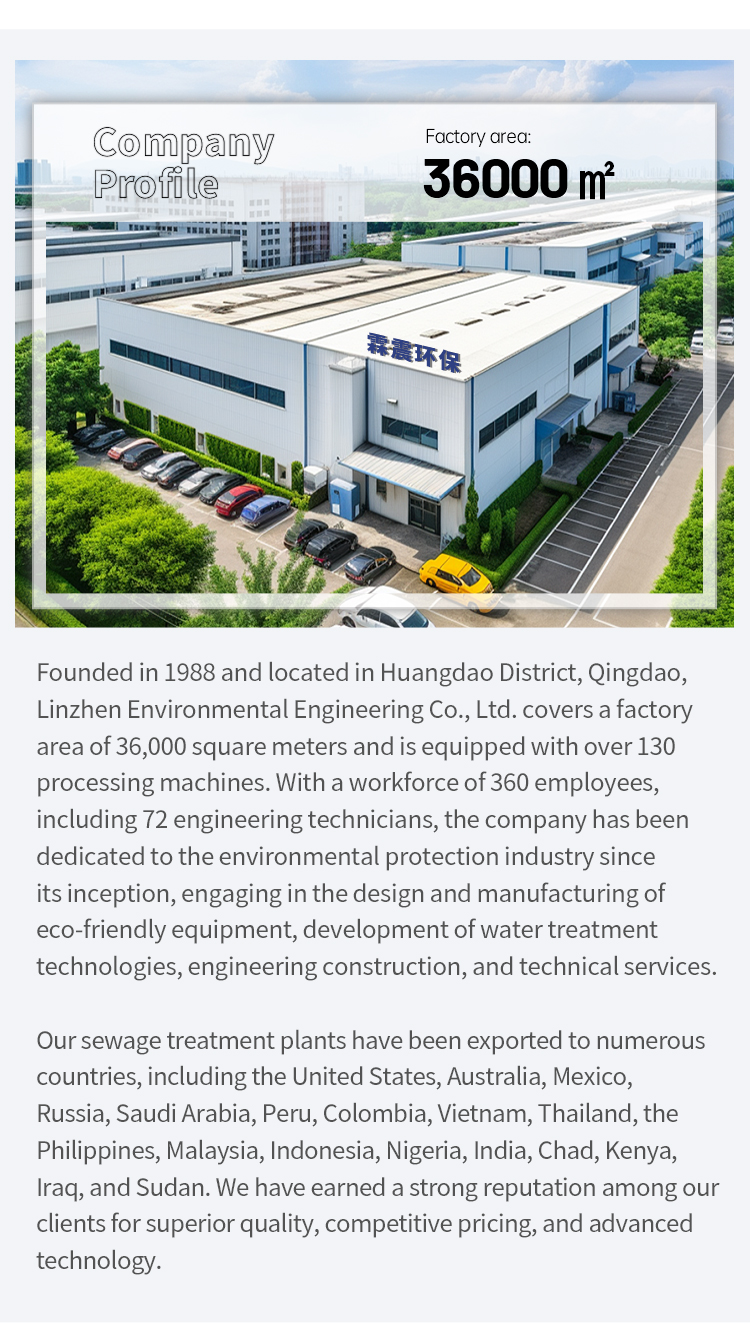

Successfully delivered wastewater treatment projects across multiple countries and industries. With an extensive project portfolio, we possess in‑depth knowledge of local environmental regulations and wastewater characteristics.

Providing customized wastewater treatment solutions based on wastewater quality, operational requirements, discharge standards, and site conditions.


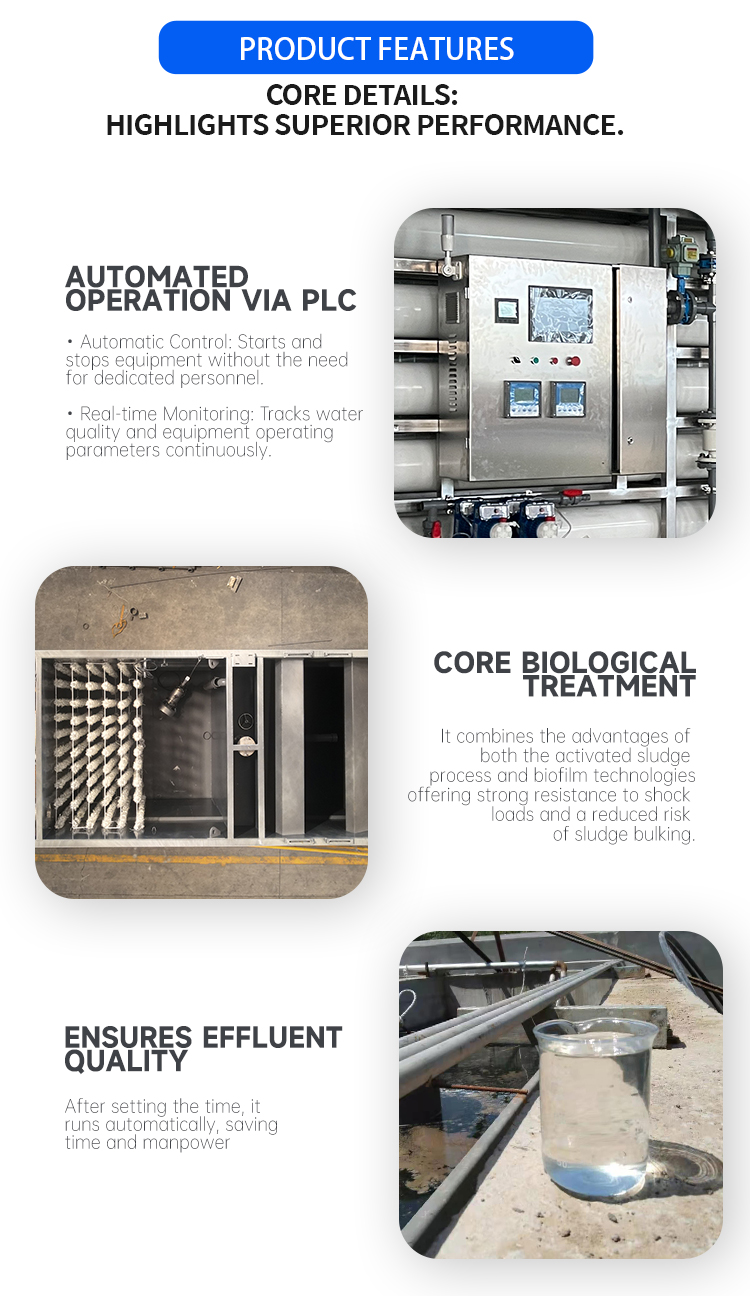
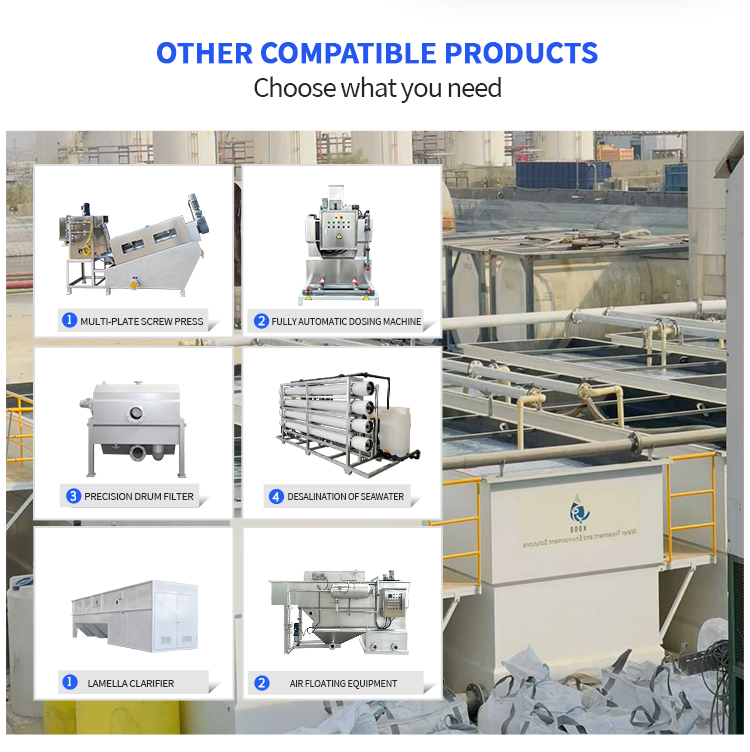
Specializing in proven treatment processes including MBR, MBBR, A/O, A²/O, RO, DAF, and Lamella Clarifier for various wastewater treatment applications.

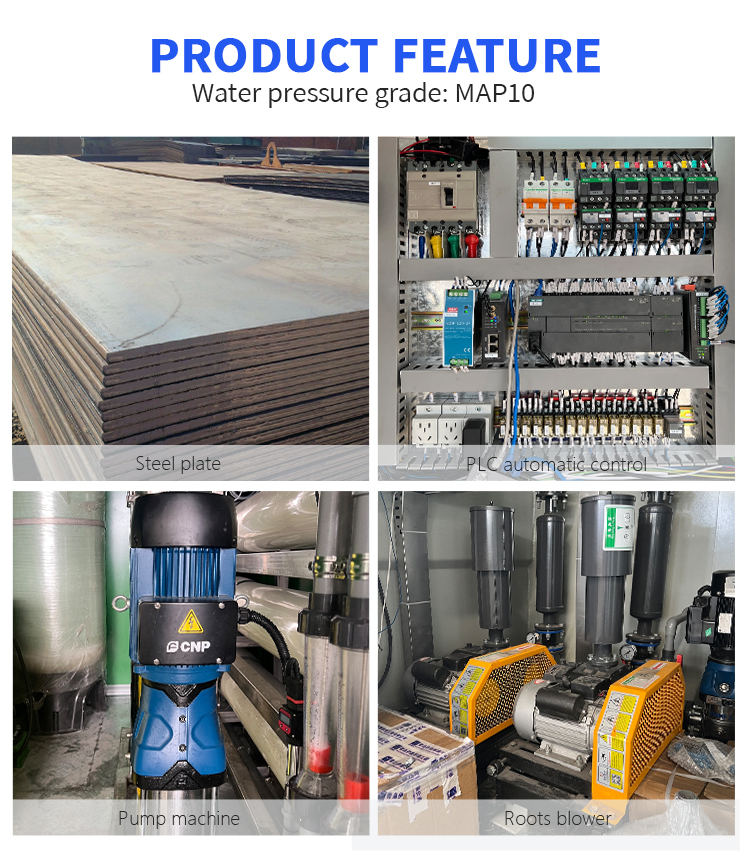
Key components such as pumps, blowers, membrane modules, and electrical control systems are sourced from world‑renowned brands to ensure long-term stable operation.

Providing comprehensive one-stop technical support covering solution design, equipment installation, commissioning, operator training, and after-sales service.
Tel
Address
Workshop 6, No. 88 Yueyahe Road, Huangdao District, Qingdao City, Shandong Province, China

 Case Studies
 Technical Downloads
 Engineering
 FAQ