 EN
Our Key Advantages
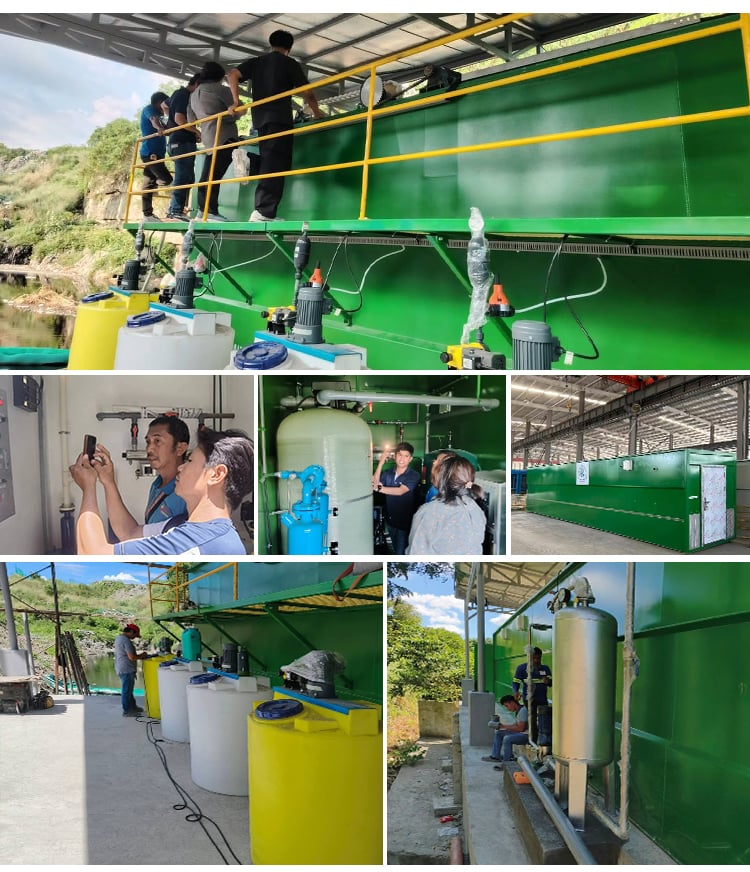
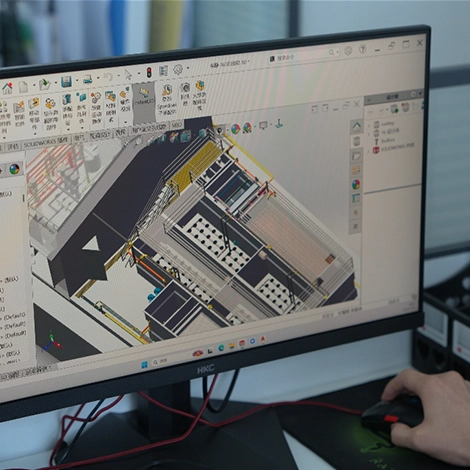
Successfully delivered wastewater treatment projects across multiple countries and industries. With an extensive project portfolio, we possess in‑depth knowledge of local environmental regulations and wastewater characteristics.
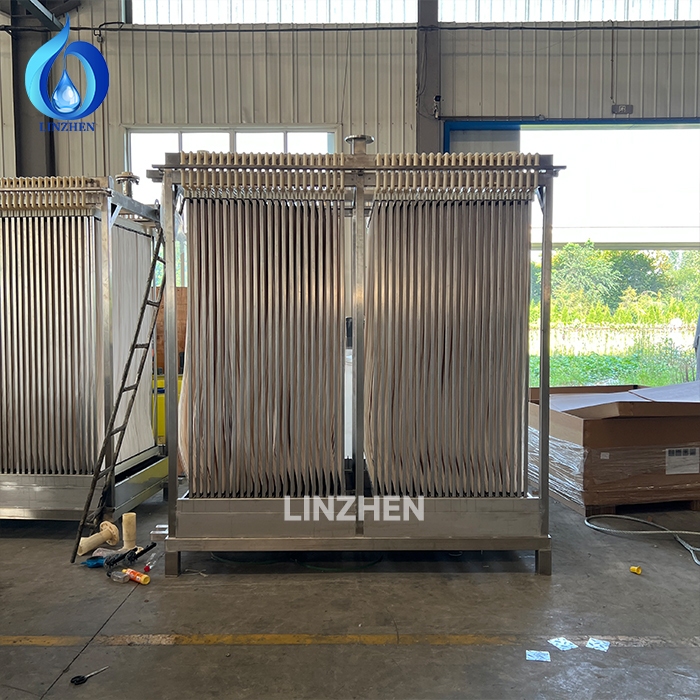
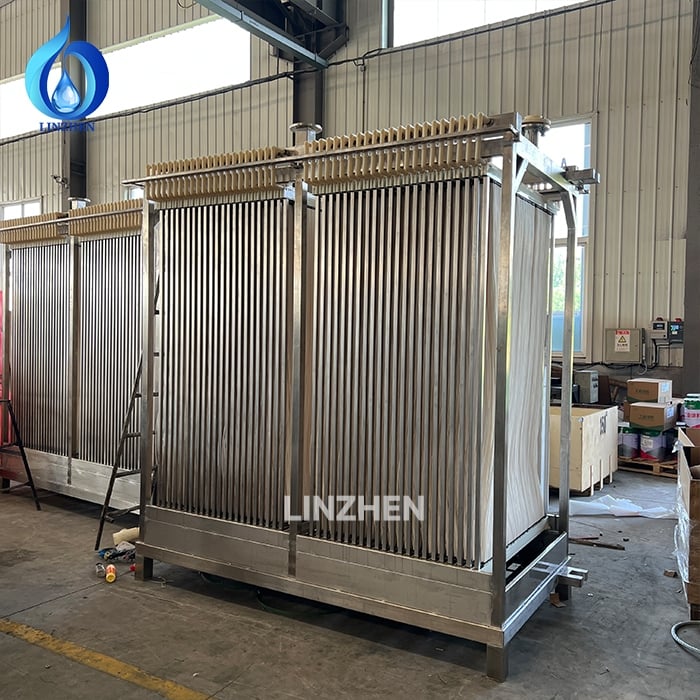
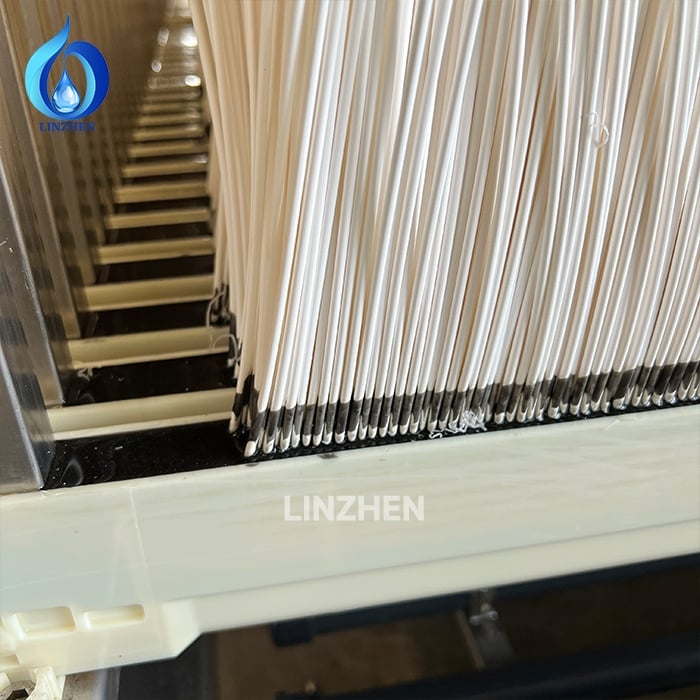
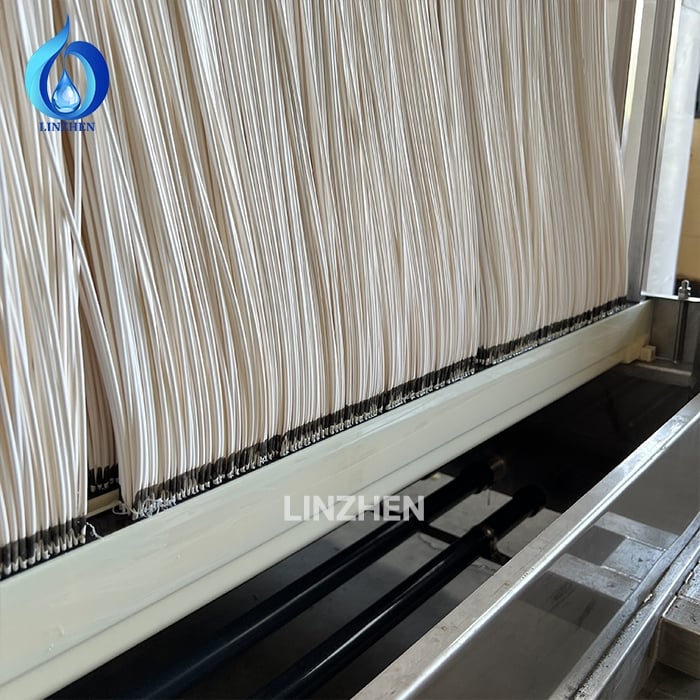
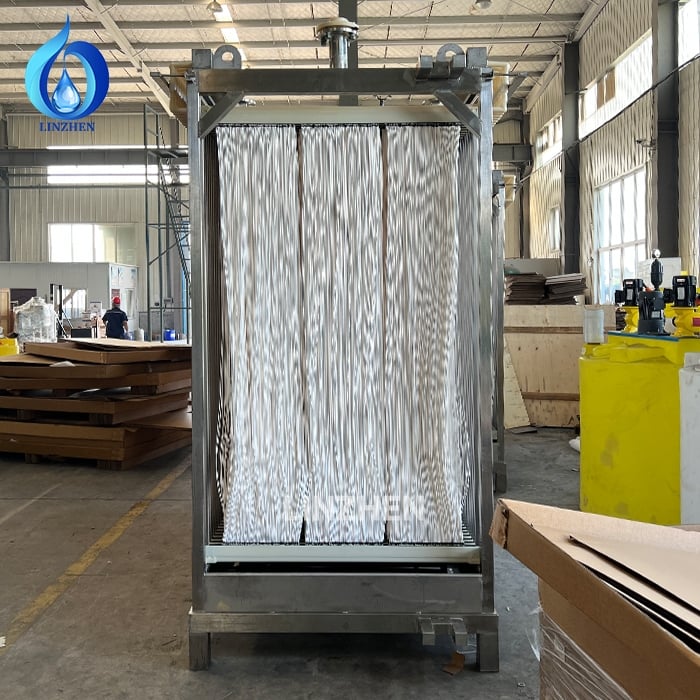
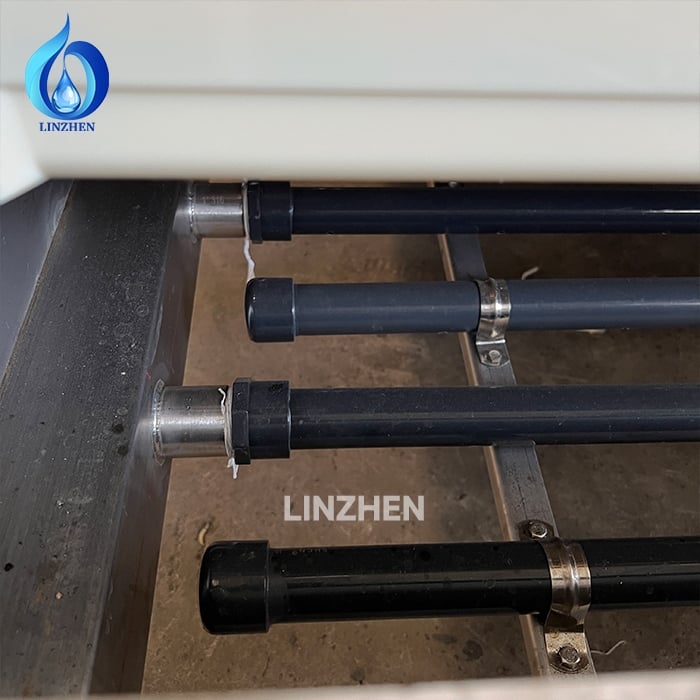
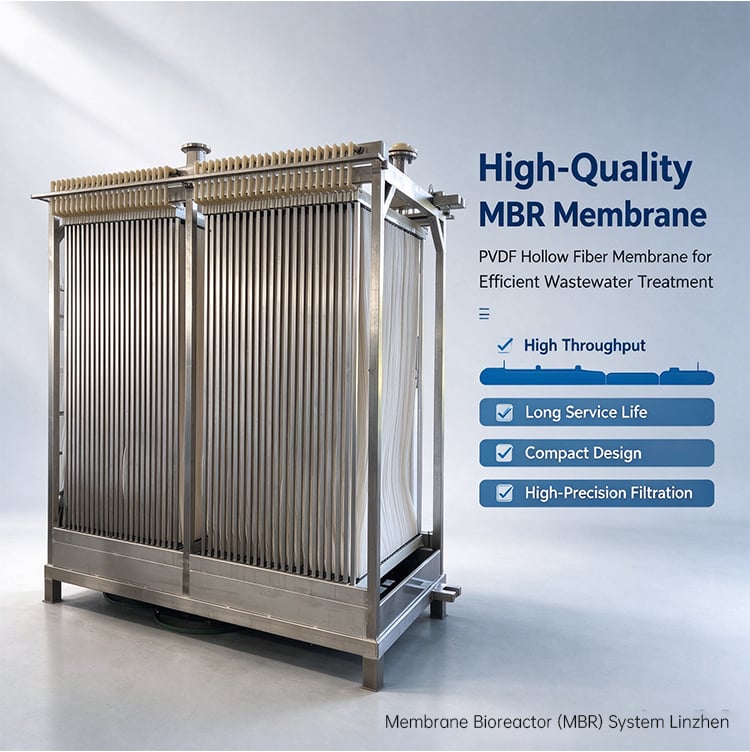
This hollow fiber MBR membrane is a membrane bioreactor separation component for municipal wastewater treatment plants, reclaimed-water systems, and projects that need compact biological treatment with solid-liquid separation. An MBR membrane comparison begins with the way biological treatment and membrane filtration work together. Microorganisms degrade biodegradable pollutants in mixed liquor, while hollow membrane fibers retain activated sludge, colloids, suspended solids, and larger contaminants. Permeate passes through the membrane wall and is collected through the hollow lumen.
During operation, microbial communities break down organic matter and ammonia nitrogen in the biological tank. Under suction, treated water permeates the hollow fiber membrane wall. The membrane barrier separates the treated stream from activated sludge and suspended solids, while retained sludge is recirculated to support continuing biochemical reactions. This arrangement can replace the secondary sedimentation stage used in conventional biological processes and supports high-efficiency sludge-water separation.
For a practical MBR membrane comparison, the process is best viewed as a coordinated system. Influent screening, biological loading, aeration, membrane configuration, suction conditions, sludge management, and maintenance access all affect the day-to-day result. A compact layout can be valuable where land is limited, but an installation should still leave appropriate access for inspection, cleaning, and routine service.
| Item | Supplied Product Information |
|---|---|
| Membrane type | Hollow fiber MBR membrane |
| Membrane material | PVDF |
| Filtration pore size | 0.001–0.02 μm |
| Stated treatment capacity | Up to 200 L/h |
| Stated minimum service life | 1 year |
| Separation role | Retention of activated sludge, colloids, suspended solids, and high-molecular-weight contaminants in the described MBR process |
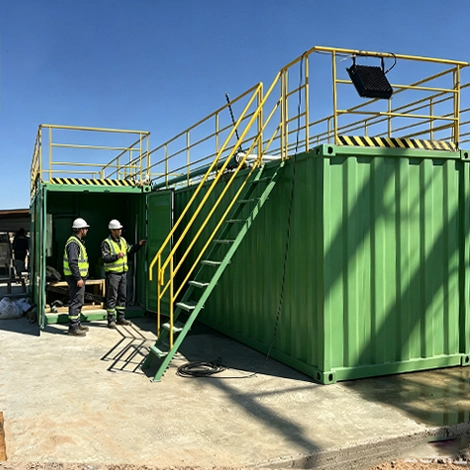
This membrane is described for municipal wastewater treatment and reclaimed-water reuse applications, including town wastewater-plant retrofits and underground wastewater stations. In an MBR membrane comparison, a municipal application should be matched to the target water-quality requirement and local operating conditions. Treated water may be used for landscape irrigation, road washing, river recharge, or another reuse purpose when the complete process is designed for that duty.
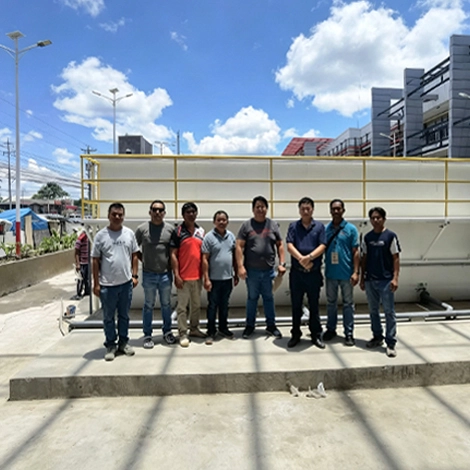
Municipal wastewater ROI case studies can help illustrate project context, but equipment value and lifecycle outcomes remain site-specific. The supplied product materials reference an Australia landfill-leachate treatment project centered on an MBR system and a domestic wastewater-treatment project in the Philippines. These are application examples from the source materials, not a promise of identical results for every site.
The source material identifies biodegradable wastewater applications in food and beverage, pharmaceutical, textile dyeing, chemical, paper, electroplating, semiconductor, and automotive settings. Wastewater characteristics differ materially among these uses. For a relevant MBR membrane comparison, pretreatment and biological-process compatibility should be confirmed for each wastewater stream before a membrane configuration is finalized.
Hollow fiber membrane integration capabilities are best assessed as part of the tank layout, flow path, air supply, membrane-rack arrangement, suction collection, control logic, and maintenance plan. The membrane fibers are one part of the treatment train; upstream debris screening and pretreatment help protect downstream equipment, while stable biological operation supports consistent separation conditions. In an MBR membrane comparison, a variable-flow project, unusual influent, or existing plant layout calls for an integration approach tailored to the actual site.
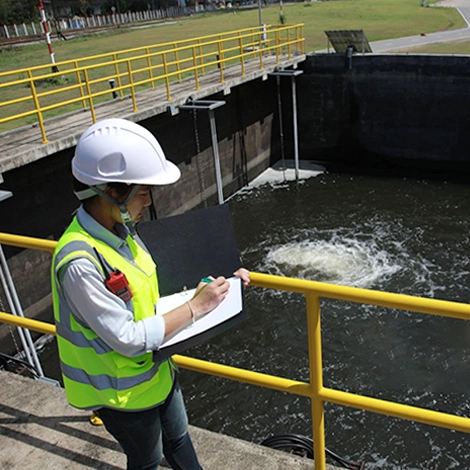
The supplied product materials describe automated control as a way to make MBR process operation more manageable. Automation does not remove the need for routine observation and maintenance. Operators still benefit from monitoring process conditions, maintaining access around modules, and planning for cleaning and service. A compact footprint should not come at the expense of workable operating space.
An MBR membrane comparison is most useful when it considers the real treatment objective: municipal upgrade, reclaimed-water reuse, compact building-scale treatment, or biodegradable industrial wastewater. Compare the confirmed membrane type, material, stated pore-size range, rated capacity, anticipated loading, pretreatment needs, layout constraints, and maintenance approach. This scenario-based view translates product features into a practical treatment configuration without making unsupported promises about a particular site.
Biological nitrogen removal from wastewater may be relevant where the overall process target includes nutrient management, but the required process design depends on influent conditions and local discharge or reuse requirements. Likewise, aerobic granular sludge and an MBR process are different process approaches; the appropriate solution should be considered against the project’s treatment goals rather than presented as interchangeable equipment. For facilities modernizing a conventional wastewater treatment plant, an MBR arrangement can be evaluated as a compact alternative to a conventional secondary-settling configuration when the wider process design supports it.
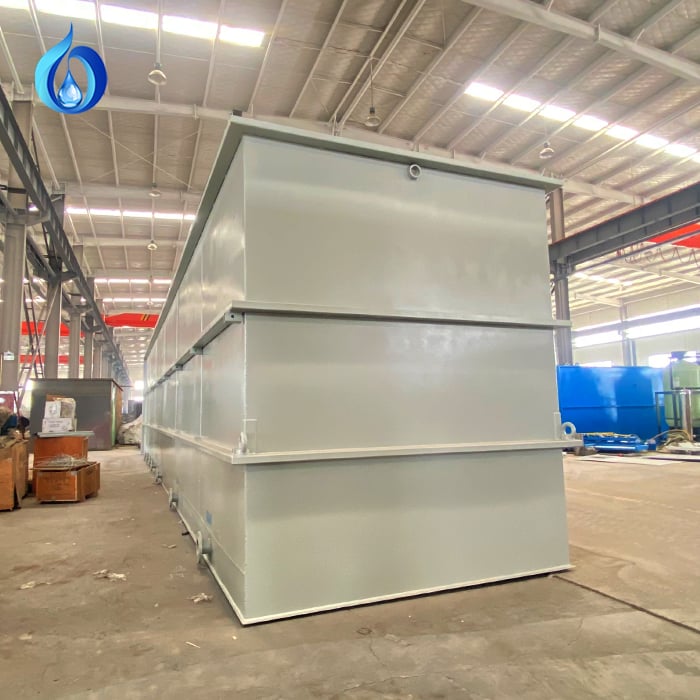
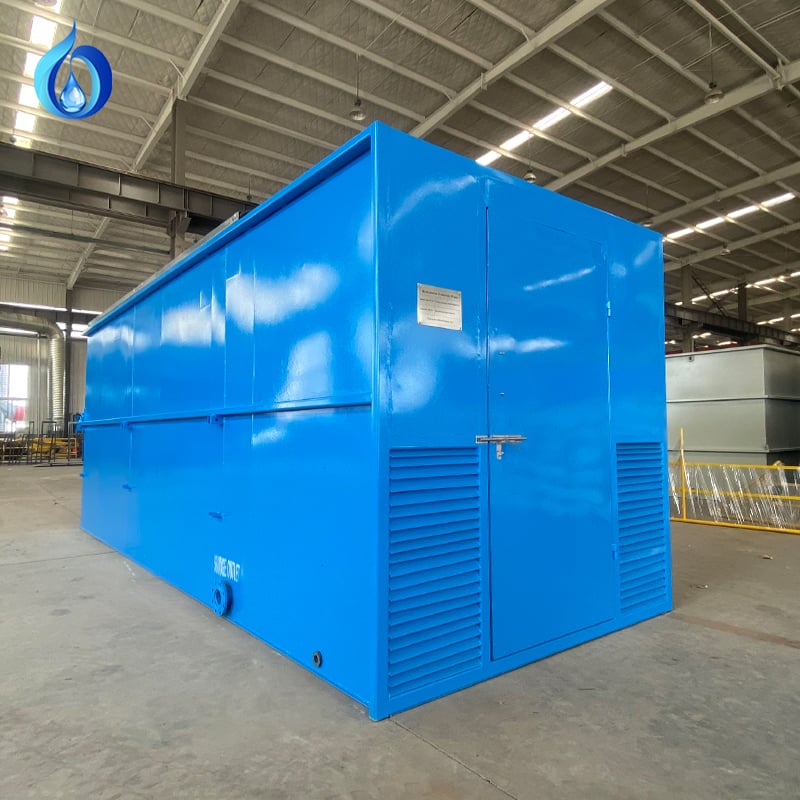
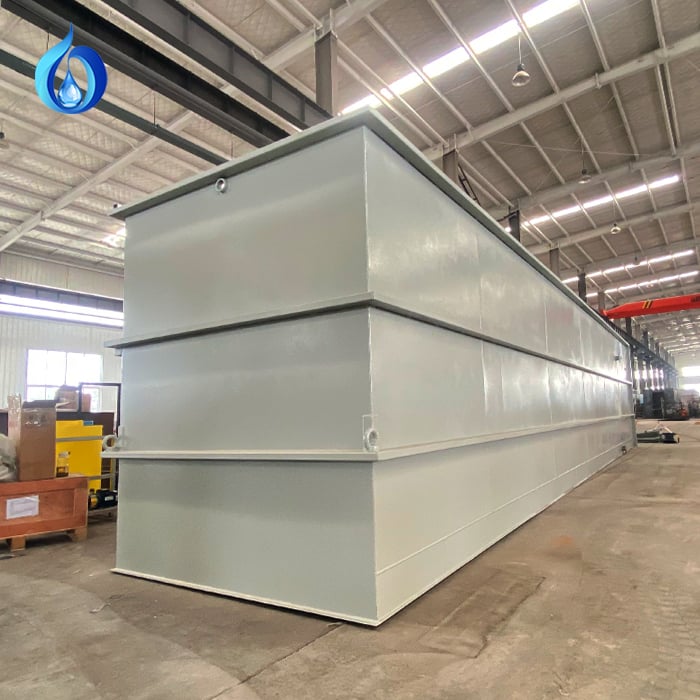
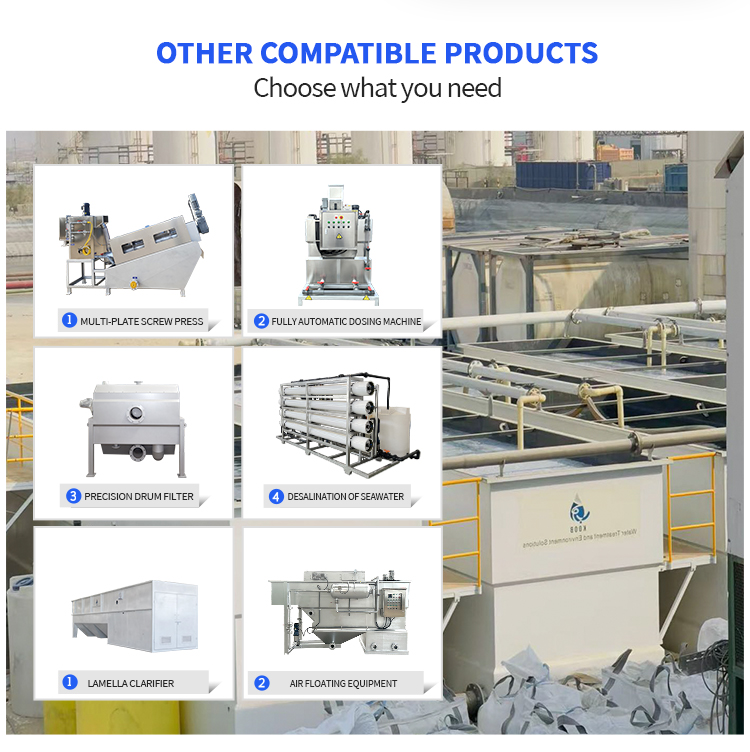
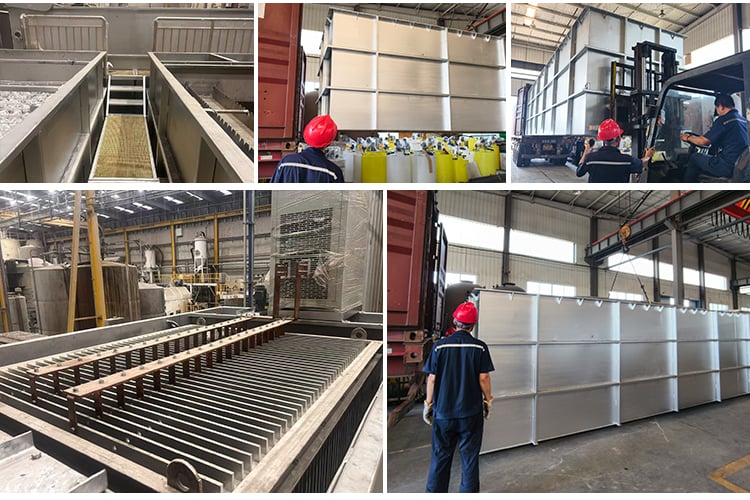
The source content describes municipal and industrial wastewater-treatment solutions. Linzhen also describes supporting equipment such as bar screens, dissolved air flotation units, inclined plate clarifiers, central-drive sludge scrapers, and integrated wastewater station packages. These items may be relevant where a complete treatment train is required, because screening, pretreatment, biological treatment, and downstream management need to work together.
For a suitable MBR configuration, share the intended application, available footprint, wastewater type, expected flow, and target effluent use. The technical team can then discuss a hollow fiber membrane arrangement that fits the proposed treatment process and associated equipment scope.
Contact Linzhen to discuss this hollow fiber MBR membrane for municipal wastewater treatment plants, reclaimed-water reuse, or a compact wastewater-treatment project. Provide your site conditions and treatment objective to begin a focused technical conversation.

Successfully delivered wastewater treatment projects across multiple countries and industries. With an extensive project portfolio, we possess in‑depth knowledge of local environmental regulations and wastewater characteristics.

Providing customized wastewater treatment solutions based on wastewater quality, operational requirements, discharge standards, and site conditions.


Specializing in proven treatment processes including MBR, MBBR, A/O, A²/O, RO, DAF, and Lamella Clarifier for various wastewater treatment applications.

Key components such as pumps, blowers, membrane modules, and electrical control systems are sourced from world‑renowned brands to ensure long-term stable operation.

Providing comprehensive one-stop technical support covering solution design, equipment installation, commissioning, operator training, and after-sales service.
Tel
Address
Workshop 6, No. 88 Yueyahe Road, Huangdao District, Qingdao City, Shandong Province, China

 Case Studies
 Technical Downloads
 Engineering
 FAQ